First Grade Embroidery: A Craft Fair Review
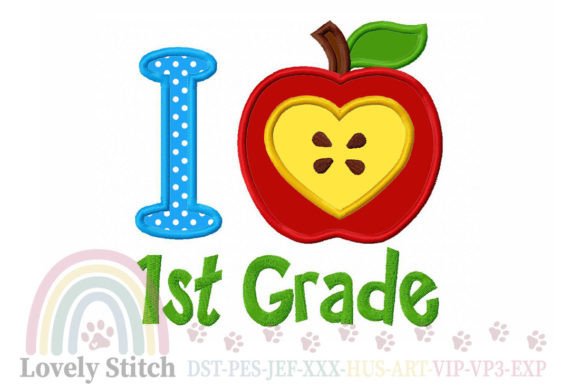
As I prepare my inventory for the upcoming weekend craft fair, my table display needs to strike a delicate balance between nostalgia and modern handmade appeal. When reviewing the First Grade Embroidery design for potential inclusion in my booth lineup, I am looking at more than just a cute graphic; I am evaluating a commercial asset that must perform under the bright lights of a market tent and the scrutiny of parents shopping for back-to-school gifts. This adorable first-grade apple appliqué embroidery design is positioned as a celebration of educational milestones, but as an embroidery business owner, I need to determine if it translates into a profitable craft fair product.
Evaluating Visual Appeal and Booth Presence
My first impression of this machine embroidery design is that it leans heavily into a soft, nostalgic aesthetic rather than a bold, graphic cartoon style. The description highlights a "charming apple," which suggests rounded edges and likely a mix of satin stitches and fill patterns typical of high-quality appliqué work. For a booth display, this is advantageous. Parents and grandparents are often drawn to items that feel timeless and sweet rather than trendy and disposable. The visual weight of an appliqué design provides texture that catches the eye from three feet away, which is crucial when competing with hundreds of other vendors.
However, the success of this digital embroidery file depends entirely on execution. Because it features an apple motif associated with the beginning of a student's journey, the color palette chosen for the thread will dictate whether the item reads as "farmhouse rustic" or "bright primary school." For my specific booth, which targets boutique buyers, I would lean toward muted reds, creamy whites, and sage greens to elevate the perceived value of the handmade product. If the design allows for customizable text or name placement, its sellability increases exponentially, as personalized items consistently outperform generic stock designs at live markets.
Best Product Applications for Market Sales
Not every embroidery file works on every substrate. Based on the nature of this First Grade Embroidery design, I have identified specific products where it will yield the highest return on investment for both Etsy sellers and brick-and-mortar vendors.
- Tote Bag Design: This is the strongest contender. A canvas tote featuring this apple appliqué serves as a functional teacher gift or a library bag for students. The flat surface of a tote allows the appliqué to lay perfectly smooth, showcasing the stitch quality. As a tote bag design, it offers ample space for the apple to be the focal point without getting lost.
- Tea Towel Embroidery: Kitchen linens are craft fair staples. However, tea towels present a challenge regarding fabric texture. Waffle weave or flour sack cotton is ideal here. The charm of the apple fits the domestic aesthetic, but the design must be centered precisely to avoid looking like a misplaced patch.
- Apron Embroidery: For a baking-themed or classroom volunteer apron, this design adds a layer of professional warmth. It transforms a utility garment into a sentimental keepsake.
- Embroidered Patch: Creating standalone patches is an excellent way to utilize scrap fabric and test the design’s density. These can be sold as add-ons at the register or used to embellish denim jackets and backpacks on-site.
Conversely, I would hesitate to use this specific First Grade Embroidery design on structured caps unless the file has been specifically digitized for curved surfaces. Appliqué on caps can lead to registration issues if the hoop tension isn't perfect, resulting in wasted blanks during batch production.
Production Practicality and Technical Considerations
When preparing for a show, efficiency is key. I need to know if this design is repeatable for batch production. An appliqué design requires multiple stops for fabric placement and tacking, which increases production time compared to a simple run-stitch logo. As an experienced designer, I check the stitch density immediately. If the apple is too dense, it will cause puckering on lighter fabrics like quilting cotton or standard tea towels. Conversely, if it is too sparse, the raw edges of the appliqué fabric may fray after washing, leading to customer returns and negative reviews.
For Etsy seller listings, photography is paramount. This design’s "adorable" factor means it photographs beautifully in natural light. I recommend creating a printable mockup or photographing a finished sample on a wooden background to emphasize the handmade quality. Buyers need to see the texture of the appliqué fabric against the base material. If selling the digital embroidery file itself, ensure your listing photos clearly show the design stitched out on at least two different fabric types to demonstrate versatility.
Critical Use Notes for Makers
Before loading this design into your machine for commercial output, consider these technical constraints:
- Fabric Texture Matters: Avoid highly textured terry cloth or thick fleece unless the design includes a knockdown stitch. The charming details of the apple will sink into the pile and disappear.
- Stabilizer Selection: For appliqué work, a medium-weight cutaway stabilizer is usually superior to tear-away. The added structure prevents the fabric from shifting during the satin stitch border phase, ensuring crisp edges on the finished product.
- Small Details Warning: If the design includes small lettering (e.g., "1st Grade") integrated with the apple, verify the font size. Text smaller than 0.25 inches often becomes illegible in embroidery. Test this specifically before committing to a production run.
- Thread Contrast: Ensure high contrast between the appliqué fabric and the satin border thread. Low contrast looks elegant in photos but can look muddy in person under artificial craft fair lighting.
Designer’s Checklist for Commercial Success
To ensure this First Grade Embroidery design becomes a bestseller rather than a shelf-sitter, follow this pre-production protocol. Never assume a digital file is ready for retail without verification.
- Test Stitch on Scrap: Always run a test on the exact fabric you intend to sell. Check for puckering, registration alignment, and edge coverage.
- Verify Hoop Size: Confirm the design dimensions fit your most commonly used hoops. Re-hooping mid-design introduces risk; plan your layout to maximize hoop usage.
- Check Licensing: Before selling finished goods or the file itself, review the designer’s terms. Ensure you have the right to use the design for commercial embroidery products at physical markets.
- Create Real Mockups: Digital renderings do not sell handmade goods. Stitch out at least one physical sample to photograph for social media and booth signage.
- Assess Color Fastness: Since this is for children and schools, ensure your appliqué fabrics and threads are colorfast and washable. Parents will ask about care instructions.
Final Verdict for Handmade Entrepreneurs
The First Grade Embroidery design holds significant promise for the Back To School season. Its strength lies in its emotional connection to a major childhood milestone, making it an easy sell to sentimental buyers. For the small shop product line, it bridges the gap between seasonal novelty and enduring keepsake. By focusing on high-quality substrates like canvas totes and premium tea towels, and by adhering to strict production standards regarding stabilization and density, this design can anchor a successful craft fair collection. Remember, in the world of design assets, the file is only the blueprint; your expertise in material selection and finishing is what creates the value. Treat this apple appliqué with the technical respect it demands, and it will likely become a staple in your seasonal rotation for years to come.