Little Arthur Font: A Designer’s Review for Gifts
As an embroidery designer who manages a steady stream of custom orders, I am constantly evaluating new typefaces to ensure they meet the rigorous demands of both machine performance and customer expectations. When planning inventory for personalized gifts, particularly those that bridge the gap between seasonal events like Back To School and timeless keepsakes, the choice of typography is paramount. Recently, I tested the Little Arthur Font to determine its viability for my shop's upcoming collection of baby items, home decor, and accessories. My goal was simple: verify if this digital embroidery file delivers the impeccable stitch quality promised in its description while maintaining the emotional resonance required for meaningful gifting.
First Impressions: Charm Meets Technical Precision
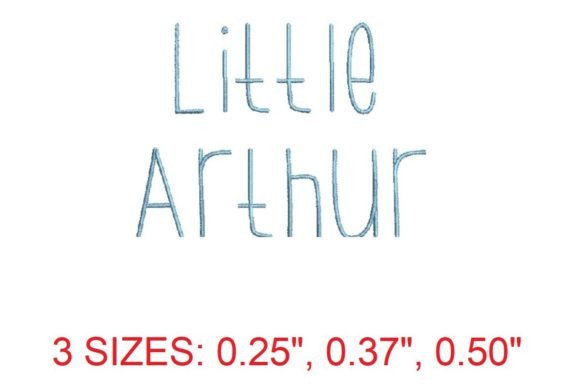
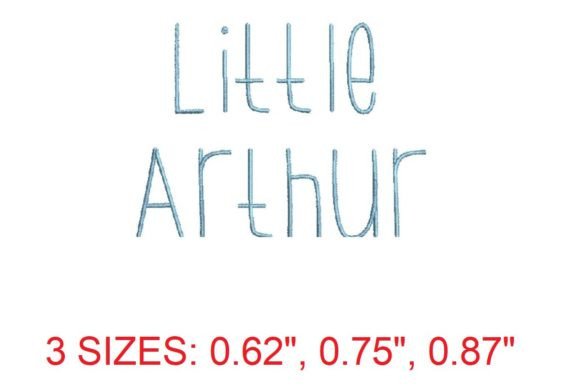
Upon loading the Little Arthur Font into my embroidery software, the immediate impression is one of refined sweetness. It strikes a delicate balance between playful and elegant, avoiding the overly juvenile look that can sometimes limit a font's commercial appeal. The letterforms possess a hand-drawn aesthetic that translates beautifully into thread, suggesting a handmade product rather than mass-produced manufacturing. For an Etsy seller or small business owner, this visual warmth is critical. It signals to the buyer that care and artistry went into the creation of their item.
From a technical standpoint, the digitization appears robust. The stitch density feels appropriate for a variety of weights, neither too sparse nor excessively dense. This is a crucial factor when offering custom embroidery across different substrates. A font that is too heavy will pucker lightweight baby clothes, while one that is too light will disappear into the pile of an embroidered towel. Little Arthur seems to occupy a versatile middle ground, making it a strong candidate for mixed-product shops that handle everything from nursery decor to kitchen linens.
Real-World Application: From Nursery to Kitchen
To truly evaluate this machine embroidery design, I envisioned specific customer scenarios. The primary use case for Little Arthur Font is undoubtedly baby embroidery. Its soft, rounded edges make it perfect for monogramming receiving blankets, bibs, and plush toys. Parents seeking a wedding gift or family keepsake often gravitate toward fonts that feel nostalgic yet clean, and this typeface fits that niche perfectly. It reads as classic enough for a christening gown but modern enough for a trendy diaper bag.
Beyond infant wear, I see significant potential in home goods. Personalized towels are a staple for gift shops, and this font has enough character to stand out on terry cloth without looking messy. Similarly, a pillow cover featuring a family name or a special date stitched in Little Arthur would photograph beautifully for product listings. The legibility remains high even at moderate sizes, which is essential for items like tote bags or aprons where the text needs to be readable from a distance. For craft fair products, this versatility allows you to offer personalization on a wide range of stock without needing to purchase multiple specialized fonts.
Navigating Fabric Challenges and Limitations
While the Little Arthur Font is versatile, no single embroidery file is immune to fabric physics. During my assessment, I noted specific areas where caution is advised. If you are working with textured fabric like boucle or high-pile fleece, the finer details of the script may get lost. In these instances, increasing the underlay or using a water-soluble topping is non-negotiable to prevent stitches from sinking.
Stretchy baby clothes present another challenge. Because this font has a flowing, connected style, any distortion caused by fabric stretch will be immediately visible. You must use the correct stabilizer—likely a cutaway for knits—to maintain the integrity of the letter shapes. Additionally, be mindful when stitching on curved surfaces or thick seams. The charm of Little Arthur lies in its smooth lines; if the hoop tension is uneven or the fabric shifts, those lines become jagged, diminishing the perceived value of the finished product.
I also advise testing on dark fabrics before committing to a production run. Depending on the specific colorway chosen, the contrast between thread and fabric can alter how delicate the font appears. What looks airy and elegant on white linen might look spindly or hard to read on navy cotton. Always compare light and dark fabric mockups to ensure the thread colors provide sufficient definition.
The Business Impact: Value, Trust, and Sales
For commercial embroidery businesses, the choice of font directly influences buyer engagement and perceived value. Customers associate clean, professional stitching with trustworthiness. When a client receives a blanket embroidery project where the letters are crisp, aligned, and free of tension issues, they are far more likely to leave a positive review and return for future purchases. Little Arthur Font supports this level of quality, provided the operator follows best practices.
Furthermore, this font enhances product photography. In the digital marketplace, your photos are your storefront. A well-stitched sample using Little Arthur creates an emotional connection that generic block letters simply cannot achieve. It tells a story of childhood, family, and celebration. For digital product sellers offering printable mockups, ensuring the mockup accurately reflects the stitch texture of this specific font is vital. Misrepresenting a satin stitch as a running stitch in marketing materials leads to customer disappointment. Authenticity in presentation builds long-term brand equity.
Essential Testing Protocol for Shop Owners
Before listing any item featuring Little Arthur Font for sale, I recommend a strict testing protocol. Do not rely solely on screen previews. Embroidery is a tactile medium, and variables change with every material combination.
- Stitch Out on Scrap Fabric: Always test on the exact material you intend to sell. Check the stitch density and adjust pull compensation if necessary.
- Verify Hoop Size Compatibility: Confirm that the largest size of the font fits within your machine’s maximum embroidery area with adequate clearance for the foot.
- Check Small Details: Stitch the smallest size you plan to offer. Inspect serifs and connections to ensure they do not break or unravel after washing.
- Wash Test: If selling items that require frequent laundering, such as burp cloths or dish towels, wash and dry your test piece to check for shrinkage or thread distortion.
- Review Licensing: Before selling finished products or digitized variations, confirm the commercial licensing terms included with your purchase. Protecting your business legally is as important as protecting your stitch quality.
Final Thoughts for the Creative Entrepreneur
The Little Arthur Font represents a valuable asset for makers focused on personalized gifts. Its ability to transition seamlessly from a Back To School backpack tag to a sentimental wedding gift makes it a workhorse for diverse product lines. However, its success depends entirely on the skill of the embroiderer. By respecting fabric limitations, conducting thorough testing, and presenting the finished product with honesty and care, you can leverage this design to create items that customers will cherish for years. Whether you are monogramming garments, personalizing accessories, or creating delightful home decor, approaching this font with a professional mindset guarantees the impeccable results your customers deserve. Embrace creativity, but anchor it in technical excellence to build a sustainable and beloved embroidery business.