High Narrow Block Embroidery Font Review
As a professional embroidery digitizer and product reviewer, I approach every new typeface with a healthy dose of skepticism. We have all downloaded fonts that look pristine on screen but turn into thread nests or illegible blobs once the needle hits the fabric. When evaluating the High Narrow Block Embroidery Font, my primary focus was not just its aesthetic appeal, but its structural integrity in real-world production environments. This machine embroidery design presents itself as a sleek, versatile option, but does it hold up when you are stitching custom apparel for a client or preparing inventory for a craft business? After running test stitches and analyzing the digitizing structure, here is my practical assessment for fellow makers and Etsy sellers.
First Impressions: Clean Lines and Modern Utility
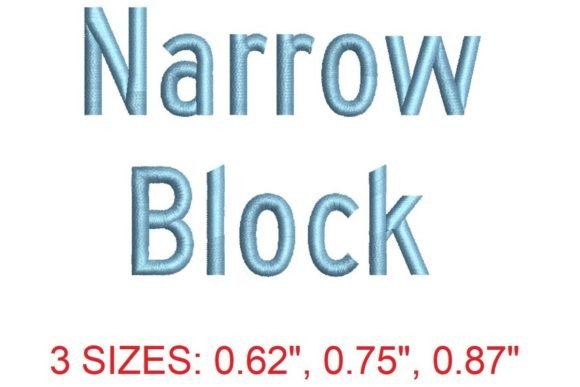
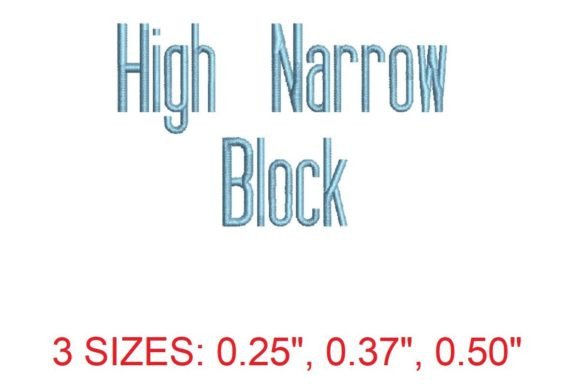
The immediate visual impact of High Narrow Block Embroidery Font is one of disciplined elegance. Unlike decorative scripts that rely on complex satin stitch columns, this font utilizes a structured block form that has been vertically compressed. This "high narrow" proportion is a strategic design choice. It allows for longer names or phrases to fit within standard hoop sizes without sacrificing legibility. The mood is distinctly modern and utilitarian, making it an excellent candidate for Back To School projects where readability is paramount, as well as for boutique branding that requires a minimalist aesthetic.
From a digitizing perspective, the letterforms appear balanced. The stroke width is consistent, which suggests the stitch density has been managed to prevent puckering on lighter fabrics while still providing enough coverage on darker materials. It feels like a font designed by someone who understands the physical limitations of thread, rather than a graphic designer simply converting a vector font into an embroidery file.
Real-World Test: Stitching a Custom Tote Bag
To truly evaluate this digital embroidery file, I moved beyond the software preview and set up a real-life scenario. I chose to personalize a natural canvas tote bag, a staple item for many handmade shops and small shop products. Canvas can be unforgiving; it is textured and thick, often causing thin fonts to get lost or sink into the weave.
I loaded the High Narrow Block Embroidery Font and stitched out the name "ELENA" in a deep navy blue. The result was impressive. Because the font is narrow, I could fit the five-letter name comfortably across the center of the bag without needing to resize excessively or switch to a larger hoop size. The verticality of the letters gave the design a sophisticated, high-end retail look rather than a generic homemade appearance. More importantly, the registration was spot-on. There were no gaps between the fill stitch areas, and the edges remained crisp against the textured canvas background. For an Etsy seller offering personalized gifts, this level of clarity directly translates to customer trust and perceived value.
Best Applications for Commercial and Personal Projects
Based on my testing, this embroidery project asset shines in specific categories. Its versatility makes it a workhorse for various applications:
- Sweatshirt Embroidery: The bold nature of the block style reads beautifully on fleece and french terry. It provides excellent contrast for collegiate-style designs or nursery names on baby embroidery items.
- Custom Apparel and Uniforms: For small business owners creating staff polos or aprons, the narrow profile allows for longer business names or employee titles to fit above a pocket or on a sleeve without wrapping awkwardly.
- Holiday Embroidery and Gift Items: While it is a block font, the slender proportions give it enough delicacy for pillow covers and tea towels. It avoids looking too industrial for home decor while maintaining a clean, gender-neutral appeal.
- Digital Product Previews: For those selling printable mockups or design assets, this font renders cleanly in digital previews, helping buyers visualize the finished product accurately.
Technical Considerations and Fabric Limitations
No embroidery design is universal, and High Narrow Block Embroidery Font requires thoughtful application. While it performed exceptionally on canvas and stable cottons, you must exercise caution with certain substrates.
Navigating Stretchy and Textured Fabrics
If you are planning sweatshirt embroidery or working with performance knits, the narrow columns of this font can be susceptible to distortion if the stabilizer is inadequate. Because the letters are tall and slim, any fabric shift will be more noticeable than with a wider, shorter font. Always use a high-quality cut-away stabilizer for stretchy garments to maintain the geometric precision of the lettering.
Small Hoop Sizes and Tiny Lettering
While the font is designed to be space-efficient, there is a lower limit to how small you can stitch it before the internal details collapse. If you are working with a 4x4 hoop size and attempting to stitch initials or monograms under one inch in height, verify the stitch density first. On very detailed corners, the needle penetrations can become too dense, leading to thread breaks or fabric perforation. Always run a test stitch on scrap fabric that matches your final project's weight and texture before committing to the finished product.
Dark Fabrics and Thread Contrast
The slender elegance of this font relies on edge definition. When stitching white or light-colored thread on black fabric, the optical illusion can sometimes make the letters appear thinner than they actually are due to light absorption. In these cases, consider slightly increasing the width compensation in your software or choosing a thread color with higher sheen to ensure the personalized gift remains legible from a distance.
Designer Notes for Professional Results
For creative entrepreneurs and apparel decorators integrating this font into their workflow, keep these practical tips in mind to ensure commercial embroidery success:
- Verify Licensing: Before listing any finished product or digital embroidery file for sale, confirm the specific license terms included with your purchase. Ensure you have the rights for commercial use if you are operating a craft business.
- Check File Compatibility: Ensure the embroidery file format matches your machine’s requirements. While most modern machines read multiple formats, always verify before starting a production run.
- Mockup Testing: Use black and white mockups to test the visual weight of the font. This helps identify if the narrow profile works for your specific brand identity without the distraction of color.
- Stabilizer Selection: Match your stabilizer to the fabric texture. A tear-away may suffice for woven cottons, but knits and unstable weaves demand cut-away support to preserve the font's straight lines.
- Thread Color Strategy: Test high-contrast combinations. The clean lines of High Narrow Block Embroidery Font respond well to bold color blocking, which can elevate simple items like kitchen towels or caps into premium merchandise.
Final Verdict for Makers and Sellers
High Narrow Block Embroidery Font earns its place in a professional digitizer’s library. It successfully bridges the gap between functional utility and aesthetic sophistication. It is not merely a novelty font but a reliable tool for creating readable, stylish, and durable embroidery. Whether you are stitching custom apparel for a local team, creating personalized gifts for the holiday season, or expanding your Etsy shop’s offerings with Back To School gear, this design delivers consistent results. By respecting the technical requirements regarding stabilizer and fabric choice, you can leverage this font to produce high-quality handmade products that resonate with customers and stand the test of wear and washing.