Howland Block Font: An Embroidery Designer Review
As a professional embroidery designer who manages a steady stream of custom orders and digital product listings, I am constantly evaluating new design assets to ensure they meet commercial standards. When browsing Creative Fabrica embroidery collections, my primary concern is never just aesthetics; it is stitch integrity. A font can look beautiful on a screen but fail catastrophically when needle meets fabric. Recently, I tested the Howland Block Font for a series of Back To School projects and custom apparel orders. This review breaks down how this specific typeface performs in real-world production environments, moving beyond the product description to discuss actual utility for Etsy sellers and small business owners.
First Impressions and Visual Character
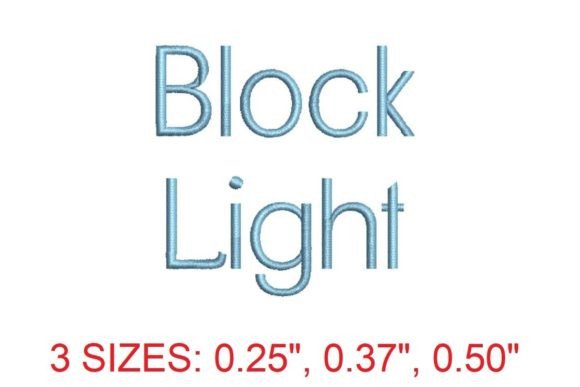
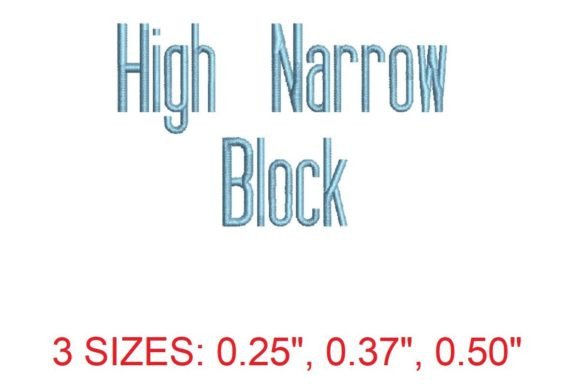
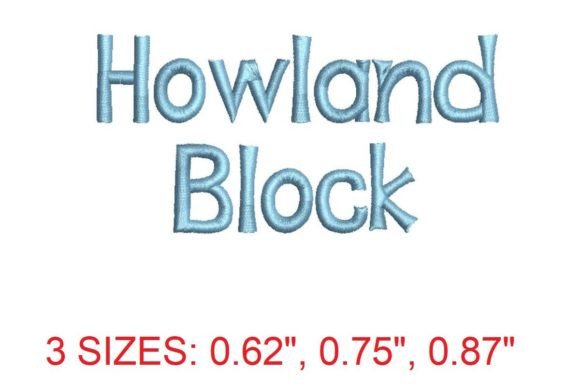
Upon loading the digital embroidery file into my software, the Howland Block Font immediately presented itself as a versatile workhorse. The visual mood is clean, authoritative, yet approachable. Unlike decorative scripts that struggle with legibility at smaller sizes, this block style offers a bold presence that reads clearly from a distance. For a designer, this suggests high adaptability. It does not try to be overly ornate, which often translates to fewer jump stitches and cleaner trims during production.
The "striking" nature mentioned in the product description holds true, but specifically in its geometric consistency. The letterforms appear balanced, suggesting that the digitizer paid attention to pull compensation. In my initial assessment, the spacing felt appropriate for both individual monograms and longer phrases. This is crucial for custom apparel where centering and alignment can make or break the perceived value of a handmade product. If you are creating merchandise for school spirit wear or personalized gifts, this font provides a solid foundation that looks intentional rather than generic.
Performance on Apparel and Accessories
I integrated Howland Block Font into a production run for sweatshirts and tote bags, two staples for any embroidery business. On fleece-backed sweatshirts, block fonts can sometimes sink into the pile, losing definition. However, this design maintained excellent coverage. The stitch density appeared optimized for medium-weight fabrics, providing enough thread coverage to pop against the texture without becoming bulletproof or causing puckering. For sweatshirt embroidery, achieving this balance is essential for customer satisfaction and garment longevity.
When testing on canvas tote bags, the font’s structure held up beautifully. Tote bag designs often require bold typography to stand out in product photography and craft fair displays. The Howland Block Font delivered crisp edges even on this textured, woven surface. Because the letters are substantial, they accommodate color changes well, making them ideal for multi-colored school names or team logos. If you are an Etsy seller focusing on personalized gift items, this reliability on standard blanks reduces the risk of wasted materials and re-hooping.
Navigating Technical Challenges and Stabilization
No machine embroidery design is immune to physics, and Howland Block Font requires proper technical setup despite its robust build. During my review, I paid close attention to how the font handled different stabilizers. On stretchy knits, a cut-away stabilizer was non-negotiable to prevent distortion. While the font is stable, the sheer surface area of block letters means there is significant thread tension. Using inadequate stabilization could lead to registration issues, especially if you are combining this text with an applique design or complex logo.
I also evaluated the font's performance regarding small hoop sizes and tiny lettering. While marketed as a block font suitable for various applications, designers must exercise caution when scaling down. Always test on scrap fabric before committing to a final piece. In my experience, reducing block fonts below a certain threshold can cause satin columns to merge or fill stitches to become too dense for the needle to penetrate cleanly. Verify the minimum recommended size in the product details on Creative Fabrica. For caps and curved surfaces, the bold nature of Howland works well, provided you use a cap-specific stabilizer and frame to maintain the curve without flattening the stitches.
Commercial Viability and Product Value
For creative entrepreneurs, the bottom line is whether a font adds value to your shop. Howland Block Font excels here by bridging the gap between trendy and timeless. In the Back To School category, parents and teachers look for durability and clarity. A jagged or poorly digitized font signals low quality, whereas this font signals professional craftsmanship. When photographing finished items for listings, the clean lines of this typeface translate exceptionally well to camera, enhancing your brand consistency.
Furthermore, using high-quality commercial embroidery assets builds buyer trust. Customers notice when stitching lies flat and letters are uniform. By utilizing a reliable font like Howland, you reduce the variables that lead to negative reviews. It also serves as an excellent companion to other design elements. Whether you are pairing it with a mascot for an embroidered patch or adding a name to a nursery pillow cover, the font acts as a stabilizing visual anchor. This versatility makes it a worthy investment for shops that offer a wide range of personalized goods, from kitchen towels to boutique merchandise.
Practical Notes for Production Success
To get the most out of Howland Block Font, I recommend adhering to several best practices derived from hands-on testing:
- Always Test Stitch: Never assume a digital preview equals physical reality. Run a test on the exact fabric and stabilizer combination you intend to use for the final order.
- Check Thread Contrast: Block fonts show every imperfection. Ensure your thread colors provide sufficient contrast against the fabric, especially on dark garments where detail can be lost.
- Review Licensing: Before selling finished products or using the font in printable mockups, confirm the specific license terms on the Creative Fabrica product page. Commercial use terms can vary.
- Mind the Density: If layering this font over other elements or using it on delicate fabrics, consider adjusting the density in your software to prevent fabric damage or needle breaks.
- Verify File Compatibility: Ensure the included formats match your machine’s requirements. While most machines read standard formats, checking beforehand prevents production delays.
Elevating Your Handmade Business
Ultimately, Howland Block Font is more than just a collection of letters; it is a tool for elevating the professional standard of your embroidery business. Its strength lies in its dependable stitch quality and broad application across garments, accessories, and home decor. For those of us in the trenches of handmade production, having a go-to font that minimizes troubleshooting and maximizes visual impact is invaluable.
Whether you are fulfilling a rush order for custom aprons, designing a new line of nursery decor, or updating your Etsy shop with fresh Back To School listings, this font delivers the impeccable results promised. It respects the crafter's time by being predictable and respects the customer's investment by looking polished. As with any embroidery file, success depends on your technical skill and preparation, but Howland Block Font provides a superior starting point for creating embroidered goods that sell and satisfy. Always refer to the specific product details for technical specifications, but rest assured that from a design and usability standpoint, this asset earns its place in a professional digitizer's library.