Storybook Font Number 0 to 9: A Business Review
As an embroidery designer specializing in commercial branding and merchandise production, I approach every new machine embroidery design with a critical eye. When evaluating the Storybook Font Number 0 to 9 for small business applications, my primary concern is not just aesthetic appeal, but functional versatility. This digitized set promises high-quality personalization for names, dates, and quotes, but how does it perform when tasked with creating professional brand identity assets? After reviewing the structure and intended application of this font, I see significant potential for specific niches, particularly within the handmade, boutique, and educational sectors.
Visual Personality and Brand Alignment
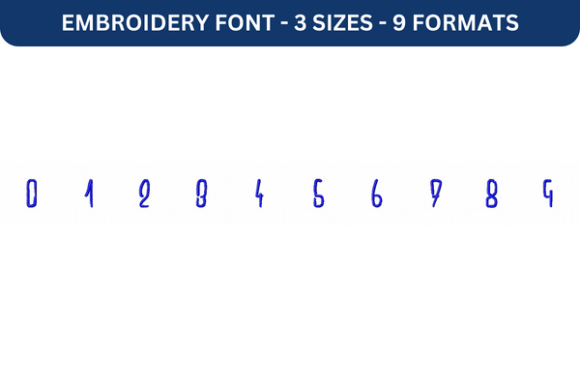
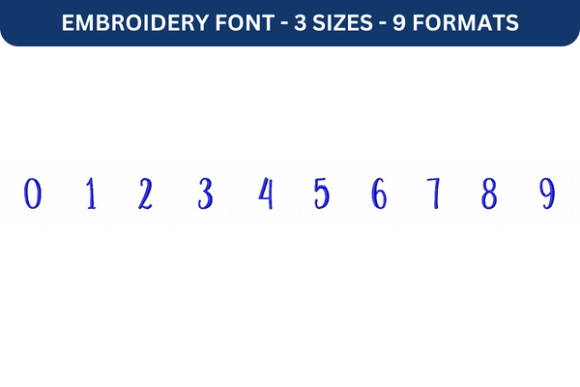
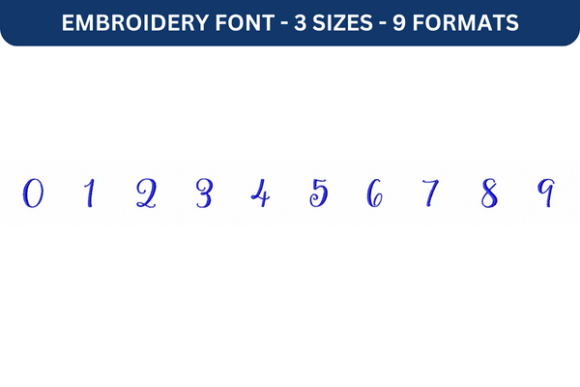
The first impression of Storybook Font Number 0 to 9 is distinctly nostalgic yet clean. Unlike blocky athletic fonts or overly ornate scripts that can become illegible at smaller sizes, this typeface strikes a balance between whimsy and readability. For a small business owner, this visual tone communicates approachability and craftsmanship. It feels premium without being stuffy, making it an excellent candidate for businesses that rely on trust and personal connection.
In a real-world scenario, imagine a local bakery or a florist looking to update their staff uniforms. Standard sans-serif fonts can sometimes feel too corporate or industrial for these environments. Storybook Font Number 0 to 9 offers a softer alternative that aligns with the artisanal nature of their work. Similarly, for Etsy sellers focusing on children’s apparel or Back To School items, this font provides the exact storybook aesthetic parents seek while maintaining the legibility required for sizing labels or age indicators. The numbers are distinct enough to prevent confusion between similar digits, which is a common failure point in decorative embroidery fonts.
Commercial Applications for Small Business Merch
When integrating this digital embroidery file into a production workflow, versatility is key. Based on the design characteristics, Storybook Font Number 0 to 9 excels in several specific commercial applications:
- Boutique Product Labeling: Use the numbers for pricing tags, limited edition series markers (e.g., "No. 5"), or year stamps on leather goods and canvas bags. The font adds value to a handmade product by signaling intentional design rather than generic manufacturing.
- Staff Aprons and Uniforms: For cafes, pet groomers, or creative studios, using this font for employee numbers or hire dates creates a cohesive team look. It softens the uniform appearance while maintaining professionalism.
- Tote Bag Design: Large-scale numbering on canvas totes for events, markets, or retail packaging works beautifully here. The open structure of the font allows for good coverage without excessive puckering on heavy fabrics.
- Custom Apparel Accents: Sleeve numbers, hem dates, or pocket accents on children’s wear benefit from this style. It bridges the gap between custom decoration and branded merchandise.
- Patch Production: While best suited for medium-to-large patches, the numerals can serve as central elements in badge designs for clubs, schools, or scouting groups.
Technical Considerations and Fabric Compatibility
Despite its charm, Storybook Font Number 0 to 9 requires careful technical planning. As with any specialized typography in commercial embroidery, success depends on matching the design to the substrate. The description notes this is a high-quality font suitable for various fabrics, but practical testing reveals specific constraints.
Cap Embroidery Challenges: The curved surface of a cap front can distort detailed lettering. If the Storybook font features thin connecting lines or delicate serifs, you must test it on a structured cap before bulk production. Unstructured caps may require a heavier backing to support the stitch density.
Small Patch Limitations: While excellent for chest logos, scaling this font down for tiny sleeve patches or collar tabs requires caution. Intricate details can fill in or become muddy below certain heights. Always verify the minimum recommended size in your software before committing to a run of 50+ units.
Fabric Texture and Stabilizer: On textured fabrics like terry cloth, fleece, or linen aprons, the font’s definition can be lost. You must use appropriate topping and stabilizer to keep the stitches sitting on top of the fabric pile. Conversely, on smooth performance wear, ensure the needle size matches the thread weight to prevent visible holes around the numeral outlines.
Washability: For work shirts and apron embroidery that face frequent laundering, check the anchor points. Decorative fonts sometimes have floating elements that can snag or unravel over time. Ensure your digitizing includes adequate underlay and tie-offs to withstand industrial washing cycles.
Impact on Customer Trust and Perceived Value
Typography in embroidery is never neutral; it signals quality tier. Using a generic system font for small business merch often results in products that look like promotional giveaways. In contrast, Storybook Font Number 0 to 9 elevates the perceived value of the finished product. When a customer receives a tote bag or garment featuring thoughtful, stylized numbering, they associate that attention to detail with the business's overall service quality.
For makers selling on platforms like Etsy, consistent use of distinctive design assets builds recognition. If your shop uses this font for all date stamps, edition numbers, and personalized elements, customers begin to recognize your work visually. This consistency fosters brand loyalty and justifies higher price points because the embroidery looks bespoke rather than mass-produced.
Essential Designer Notes for Production Success
Before loading this embroidery file into your machine for a client order, follow this professional checklist to avoid costly mistakes:
- Verify Licensing: Confirm the specific commercial usage rights included with your purchase. While intended for personalization, ensure your volume of sales or specific merchandise type aligns with the license terms.
- Create a Printable Mockup: Never rely solely on screen visualization. Generate a printable mockup at actual size and tape it to the intended garment or item. This reveals scale issues that screens hide.
- Test in Black and White: Run a sample in high-contrast thread first. Color can mask poor registration or tension issues. If the font reads clearly in black on white, it will likely succeed in other thread colors.
- Check Hoop Size Requirements: Ensure your available hoops accommodate the full range of numerals plus necessary spacing. Some numbers may be wider than others; plan your placement accordingly.
- Evaluate Spacing and Kerning: Automated spacing rarely works perfectly for decorative fonts. Manually adjust kerning when combining numbers with text to maintain visual rhythm.
- Confirm File Format Compatibility: Double-check that the provided format works seamlessly with your specific machine brand to avoid conversion errors that could alter stitch paths.
- Compare Beside Existing Assets: Place a stitch-out of Storybook Font Number 0 to 9 next to your current logo or brand marks. Ensure the weight and style complement rather than clash with your established identity.
Ultimately, Storybook Font Number 0 to 9 is a valuable tool for embroiderers serving clients who want warmth and character in their branding. By respecting its technical boundaries and leveraging its unique aesthetic, you can transform simple numbers into powerful brand signifiers that drive customer engagement and elevate your merchandise offerings.