Ke Aloha Font Number 0 to 9: A Designer’s Review
As an embroidery designer who manages a steady stream of custom orders for personalized gifts, I am constantly evaluating new tools to keep my product line fresh and profitable. When planning for the upcoming Back To School season and year-round gift requests, finding a reliable numeric font is just as critical as finding the perfect script. I recently tested the Ke Aloha Font Number 0 to 9 in my studio to determine if it meets the high standards required for commercial machine embroidery design work. This review reflects my hands-on experience testing this specific embroidery file for real-world customer projects, focusing on stitch quality, versatility, and final product appeal.
First Impressions: Mood and Stitch Quality
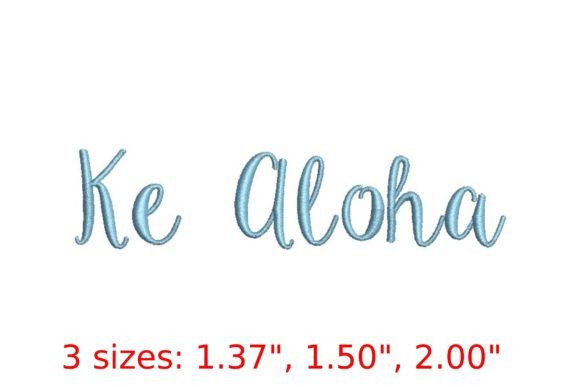
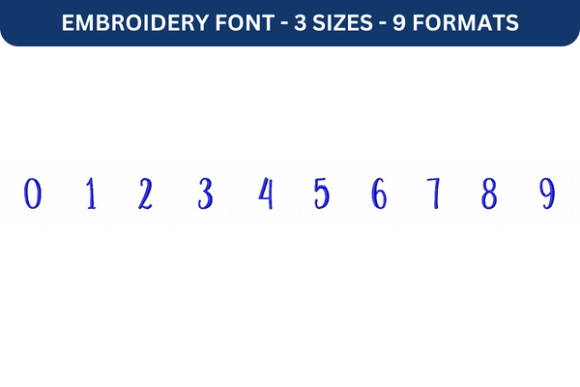
Upon loading the Ke Aloha Font Number 0 to 9 into my embroidery software, the first thing I noticed was the distinct charm of the digitization. Unlike standard block numbers that can feel sterile or industrial, these digits carry a soft, handmade aesthetic that bridges the gap between modern clarity and vintage warmth. The mood is undeniably sweet yet legible, making it feel appropriate for both playful nursery items and elegant keepsakes. For an Etsy seller or small shop product creator, this emotional resonance is vital; customers are not just buying numbers, they are buying a feeling of care and nostalgia.
From a technical standpoint, the stitch density appears well-balanced for a variety of fabric textures. The numbers do not look overly dense, which reduces the risk of puckering on lighter materials, nor do they appear too sparse, which ensures good coverage on darker fabrics. This balance suggests the digitizer understood the importance of versatility. When I ran a test stitch-out, the registration held up beautifully, with clean transitions and no unnecessary jump stitches that would require excessive trimming. For those of us running commercial embroidery machines where time is money, this efficiency in the digital embroidery file is a significant advantage.
Ideal Applications for Personalized Gifts
The true test of any embroidery font is its application across different product categories. During my evaluation, I found Ke Aloha Font Number 0 to 9 excels in several key areas relevant to gift makers and baby product creators.
- Baby Embroidery and Nursery Decor: The soft edges of these numbers make them perfect for marking birth weights, dates, or ages on blanket embroidery and pillow covers. They are gentle enough for infant items without looking too childish, allowing the finished product to grow with the child.
- Wedding Gift and Anniversary Keepsakes: For wedding gift designers, these numbers offer a romantic alternative to standard serif fonts when stitching anniversary dates or table numbers. They pair exceptionally well with floral motifs or delicate scripts, enhancing the perceived value of the handmade product.
- Back To School and Tote Bags: As we approach the Back To School rush, these numbers are ideal for personalizing backpacks, lunch bags, and tote bags. They are bold enough to be read from a distance but stylish enough to appeal to parents who want their children’s gear to look curated rather than generic.
- Kitchen Textiles and Aprons: For custom embroidery on embroidered towels and aprons, legibility is paramount. These numbers maintain their integrity even when scaled for recipe cards or family reunion merchandise, ensuring the personalized gift remains functional and beautiful.
Navigating Fabric Challenges and Limitations
While Ke Aloha Font Number 0 to 9 is versatile, no single embroidery file performs perfectly on every surface without adjustment. Through my testing, I identified specific scenarios where extra caution is necessary to ensure a professional finish.
Textured and Thick Fabrics: When working with terry cloth for an embroidered towel or heavy canvas for tote bags, the delicate details of the font can sometimes get lost in the pile. In these instances, I recommend using a water-soluble topping to keep the stitches crisp. Without this step, the charm of the design may diminish against high-pile fabric texture.
Stretchy Knits and Baby Clothes: For baby embroidery on onesies or stretchy knits, the stabilizer choice is non-negotiable. Because these numbers have a specific flow, inadequate stabilization can cause distortion during the stitching process. Always use a cut-away stabilizer for stretch fabrics to maintain the shape of the digits after washing.
Small Scale Legibility: While the design is high-quality, reducing the numbers below a certain threshold may compromise clarity. If you are creating tags or small labels, verify the minimum size recommendations in your software. Some intricate details intended for larger sizes may not translate well to micro-embroidery, potentially affecting the professional look of your custom embroidery.
Enhancing Perceived Value and Customer Trust
In the competitive world of handmade sellers and digital product sellers, the quality of your typography directly influences buyer engagement. Using a distinctive font like Ke Aloha Font Number 0 to 9 signals to customers that you have invested in premium assets rather than relying on default machine fonts. This attention to detail builds customer trust and justifies higher price points for personalized gifts.
Furthermore, this font photographs beautifully. The stitch definition creates natural shadows and highlights that pop in product photography, making your listings stand out in search results. Whether you are selling physical goods or marketing custom order previews, the visual appeal of these numbers enhances the overall presentation. For Etsy sellers, consistent use of a signature font helps build brand recognition, turning one-time buyers into repeat customers who associate that specific numeric style with your shop’s quality.
Practical Notes for Production and Licensing
Before adding Ke Aloha Font Number 0 to 9 to your production lineup, please adhere to these practical guidelines to ensure success and compliance:
- Verify Commercial Licensing: Always confirm the specific license terms included with your purchase. While this is a high-quality tool for personalization, you must ensure you have the right to sell finished products or use the font in commercial embroidery applications.
- Test on Scrap Fabric First: Never run a new design directly on a customer’s item. Test the embroidery file on a scrap of the exact fabric and stabilizer combination you plan to use. Check thread colors against the fabric to ensure sufficient contrast.
- Check Hoop Size Compatibility: Confirm that the largest number in the set fits within your available hoop size, especially if you are combining multiple digits for dates or years. Re-hooping mid-design increases the risk of alignment errors.
- Create Printable Mockups: Before listing new products, create accurate mockups using actual stitch-outs or high-quality digital simulations. This manages customer expectations regarding size and placement.
- Review Stitch Density Settings: Depending on your machine and thread type, you may need to adjust density slightly. Heavier threads may require compensation to prevent overcrowding, while finer threads might need increased density for full coverage.
Ultimately, Ke Aloha Font Number 0 to 9 is a valuable asset for any serious embroidery business. It offers the perfect blend of technical reliability and emotional appeal needed for today’s personalized gift market. By understanding its strengths and respecting its limitations through proper testing and stabilization, you can elevate your custom embroidery offerings and delight customers with truly memorable, handmade treasures.